
Happy Present Meet
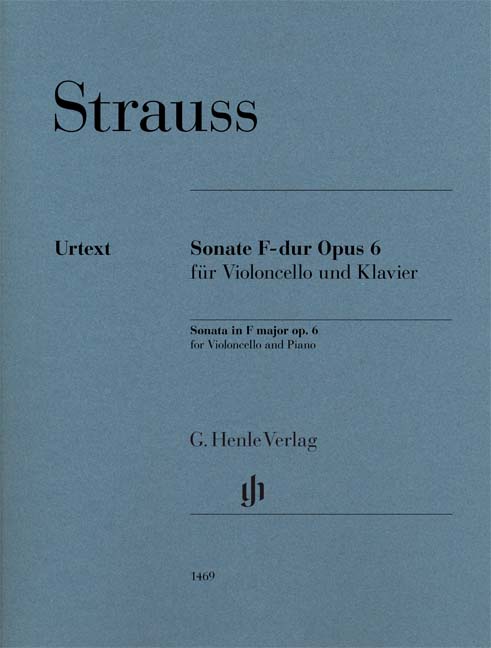
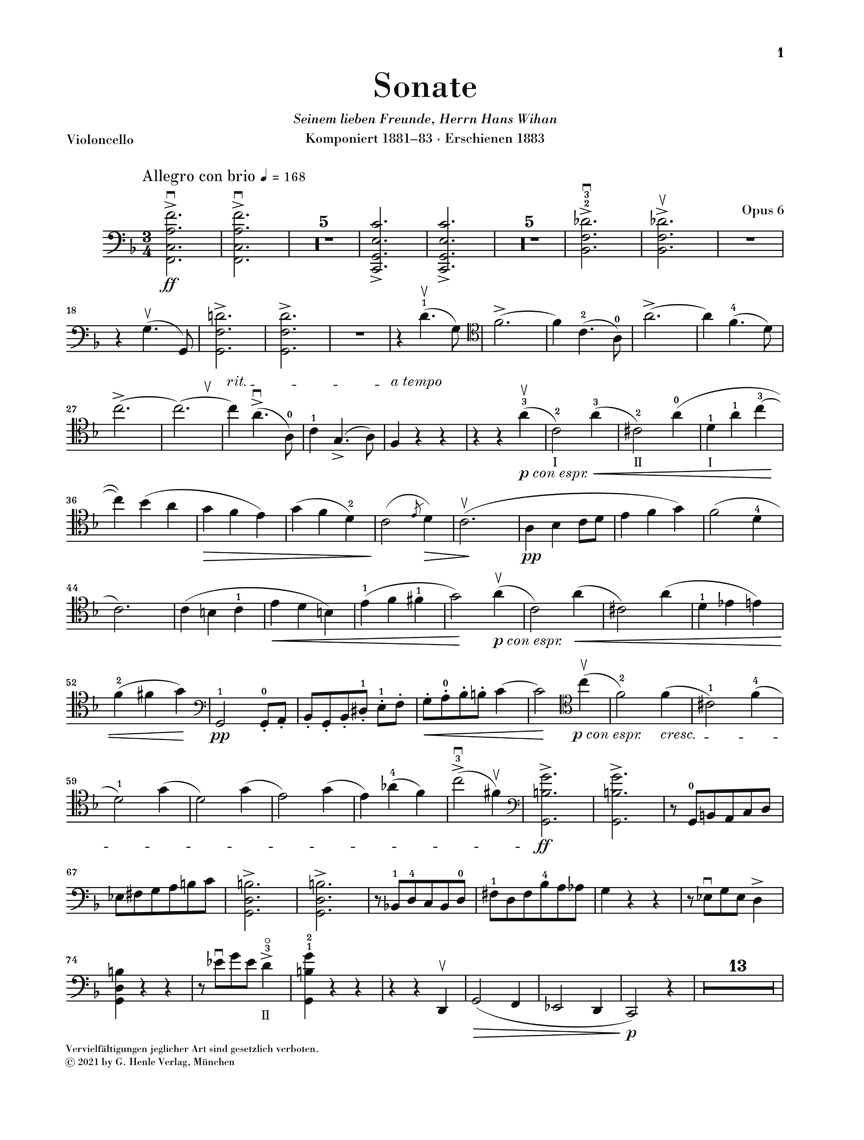
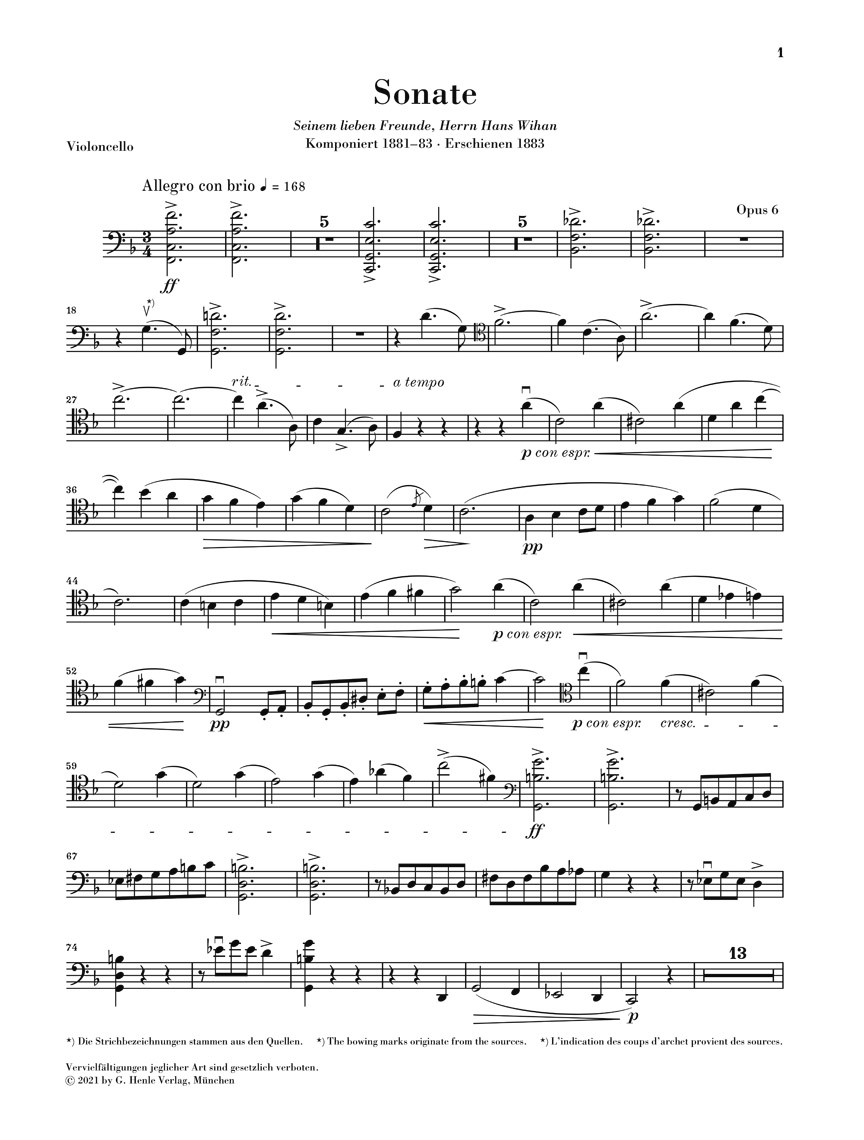
Strauss Cello Sonata in F major Op.6 for Cello and Piano
R. 슈트라우스 첼로 소나타 F장조 Op.6 첼로와 피아노
악기 구성
Cello and Piano 첼로와 피아노
Peter Jost (Editor) 페터 요스트
Michael Korstick (Fingering Piano) 미하엘 코르스틱
Johannes Moser (Fingering and bowing for Violoncello) 요하네스 모저
Urtext Edition, paperbound
with marked and unmarked string part
Pages 82 (VI+50+13+13)
Content
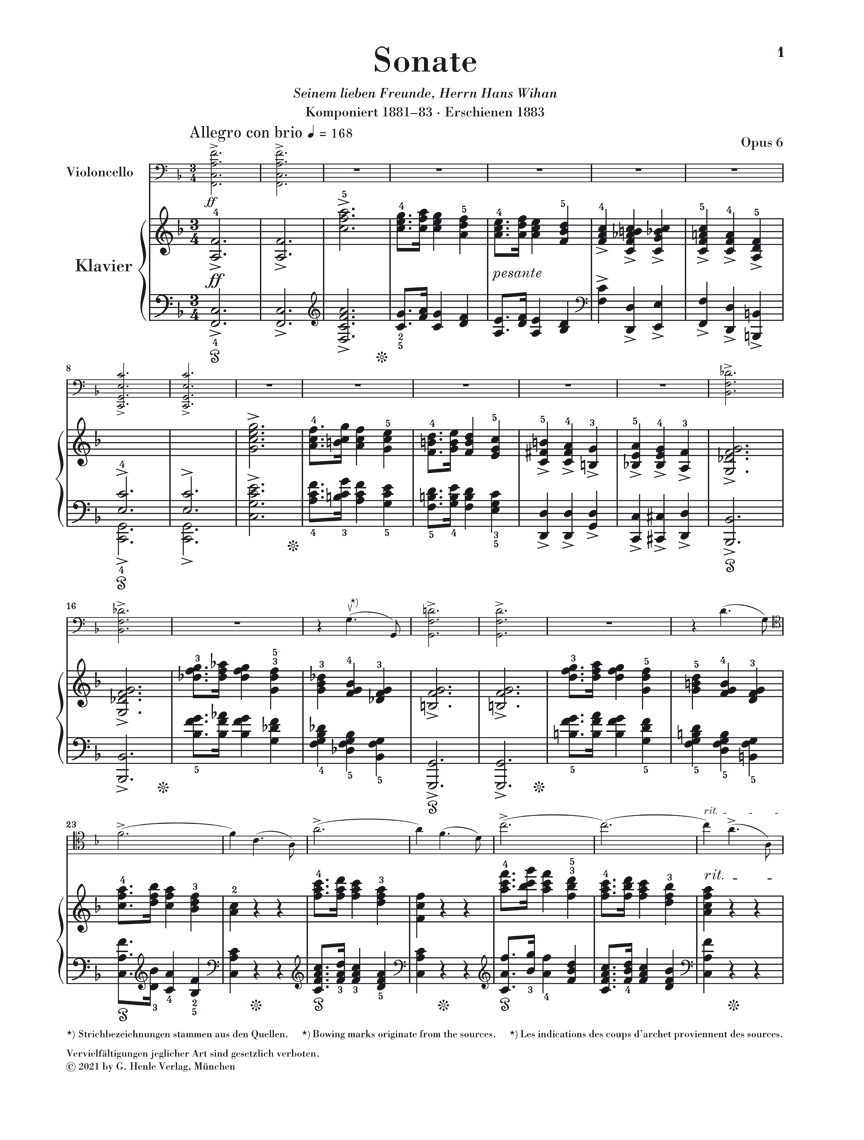
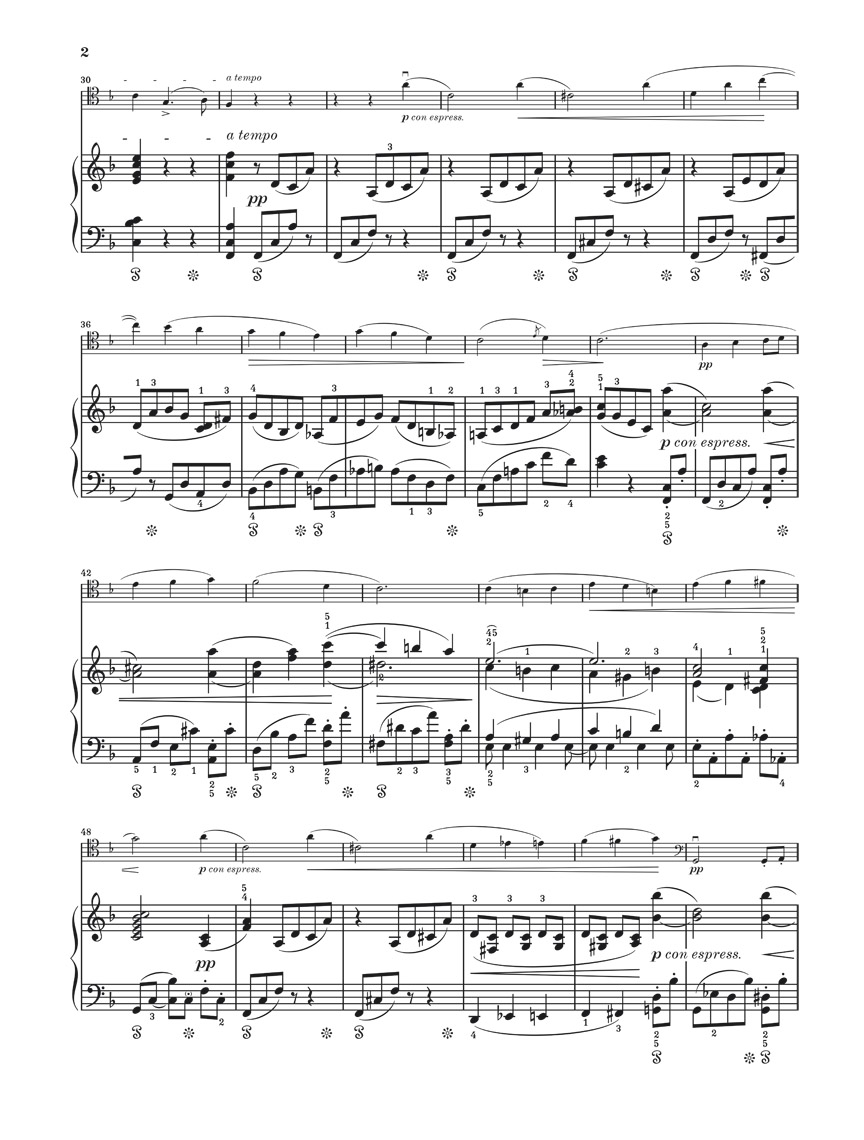
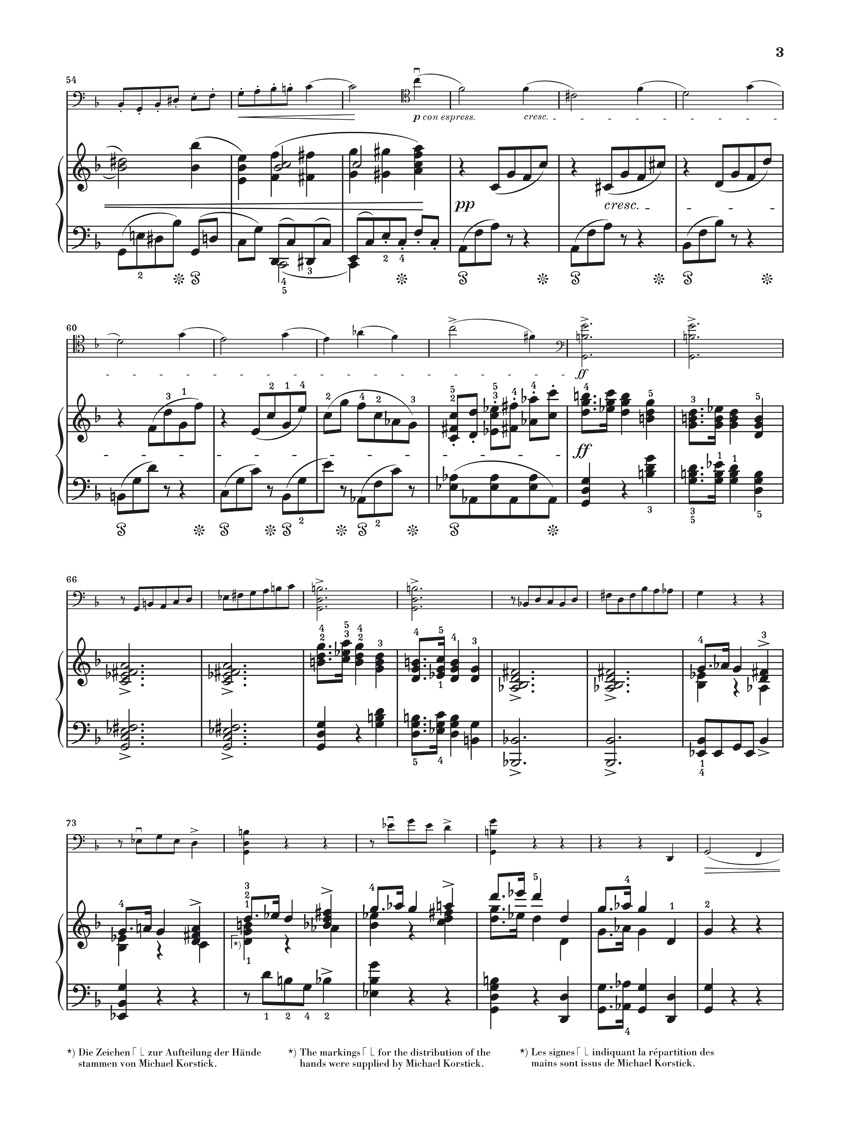
Violoncello Sonata F major Op.6 첼로 소나타 F장조
6 medium
Aside from the Piano Quartet op. 13 and the Violin Sonata op. 18, the Cello Sonata op. 6 numbers among the most mature works of chamber music from Strauss’ early œuvre. The influences of Mendelssohn, Schumann, and Brahms are noticeable, while leaving sufficient space for a very personal tonal language, often with surprising rhythmic and harmonic turns of phrase. Strauss subjected the first version completed in early 1881 to a radical revision over the winter of 1882/83; the opening movement was thoroughly reworked, the two subsequent movements rewritten completely. It was worth it, because after the premiere in Dresden, the composer wrote to his mother, “My sonata garnered extraordinary acclaim, the applause was enormous, congratulations came to me from all sides.”
피아노 사중주 Op.13, 바이올린 소나타 Op.18과 더불어 첼로 소나타 Op.6은 슈트라우스 초기 작품 가운데 가장 성숙한 실내악 작품으로 꼽힙니다. 멘델스존, 슈만, 브람스의 영향이 느껴지면서도, 종종 놀라운 리듬과 화성의 전환을 보여 주는 매우 개성적인 음악 언어가 펼쳐질 여지도 충분합니다. 슈트라우스는 1881년 초에 완성한 첫 번째 버전을 1882/83년 겨울에 대폭 수정했습니다. 첫 악장은 철저히 손보았고 이어지는 두 악장은 완전히 새로 썼습니다. 그만한 보람이 있었습니다. 드레스덴 초연 뒤 작곡가는 어머니에게 “제 소나타는 대단한 호평을 받았어요. 박수갈채가 엄청났고, 사방에서 축하가 쏟아졌어요.”라고 편지를 썼습니다.
작곡가 Strauss, Richard (1864-1949)
에디터 Jost, Peter
Schumann 5 Pieces in Folk Style Op.102 for Cello and Piano
Rossini - Tedesco Figaro from "The Barber of Seville" for Cello and Piano
Schumann Fairy Tales (Marchenbilder) Op.113 for Viola and Piano
Debussy Sonata for Cello and Piano (Musique Francaise Series)
Barber Cello Sonata Op.6 for Cello and Piano